
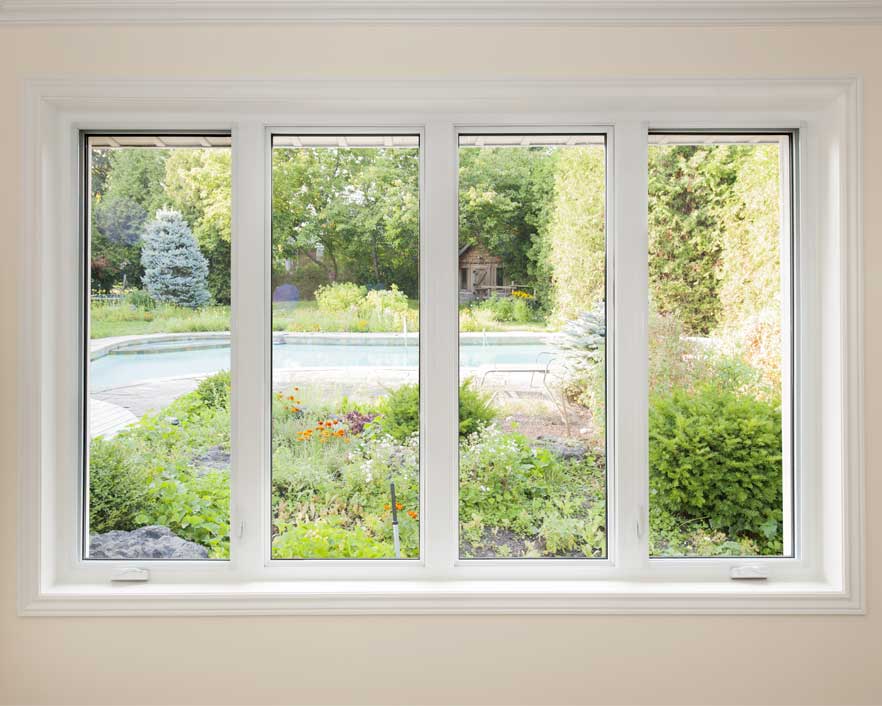
Choosing the right energy-efficient windows requires a deep understanding of how different glass types handle seasonal weather shifts. Upgrading your home’s exterior openings protects your living space from extreme seasonal temperature changes while lowering your monthly utility costs. Selecting the correct glass coatings and materials ensures long-term comfort, structural durability, and lasting value for your property.
Regional weather brings severe, freezing winters and hot, bright summers. Standard clear glass simply cannot block the heavy radiant heat from the summer sun or trap indoor warmth during a deep winter cold snap. By choosing custom windows designed specifically for harsh weather conditions, you eliminate draft zones and cold spots and reduce the overall strain on your heating and cooling equipment.
What Is Low-E Glass and How Does It Save Energy?
Low-emissivity (Low-E) glass uses a microscopic, invisible metallic layer applied directly to the pane to reflect infrared and ultraviolet light. This specialized, high-tech coating allows natural visible light to enter your rooms perfectly while blocking the specific wavelengths that transfer pure thermal energy. By bouncing radiant heat back to its source, the glass keeps indoor temperatures steady regardless of the harsh weather outside.
- Summer Heat Defense: A Low-E coating reflects harsh exterior heat away from your home, keeping your air-conditioned spaces cooler and reducing your cooling system’s runtime.
- Winter Heat Retention: The coating catches the radiant heat generated by your indoor furnace and reflects it into your living spaces, preventing it from escaping through the glass pane.
- Reduced System Strain: This constant, reliable thermal barrier significantly reduces the daily workload on your residential heating and cooling equipment.
- Lower Utility Bills: Because your furnace and air conditioner do not have to cycle on and off continuously, you save money on electricity and fuel throughout the year.
- UV Ray Protection: The metallic layers filter out damaging rays that cause interior damage, giving you peace of mind regarding your home design investments.
Over time, these reliable monthly utility savings help cover the initial upfront cost of your home window replacement project.
How Do Tinted and Reflective Glass Types Change Home Comfort?
Tinted and reflective glass options use specialized chemical additions or external film coatings to alter how much solar energy penetrates a window pane. Tinted glass absorbs a portion of the incoming solar radiation, reducing glare and visible light transmission inside the house. Reflective glass acts like a true mirror, bouncing away a high percentage of both light and heat to maintain cooler indoor spaces.
- Solar Control: These options work exceptionally well for large windows that receive direct, unfiltered sunlight for hours at a time.
- Interior Protection: Stopping direct sun prevents uncomfortable hot spots and keeps your interior flooring, wood trim, and kitchen cabinets from fading.
- Visual Comfort: Adding a subtle bronze or gray tint softens incoming light without ruining your clear view of the outdoors.
- Daytime Privacy: Reflective options offer excellent daytime privacy because they restrict the view into your home from the street level.
- Customized Performance: Homeowners can mix and match these glass types across different sides of the property to handle specific sun exposures.
However, because these treatments absorb or bounce away light, they reduce the amount of free solar warmth your home gets during cold winter days. Balancing these glass types with clear Low-E options on other sides of your home creates a well-rounded energy plan.
Why Is Frame Selection Important for True Energy Efficiency?
Energy-efficient windows require a high-quality frame material to support the specialized glass packages. A high-performance glass pane will lose its effectiveness if the surrounding frame conducts heat or develops structural gaps. PVC frames provide superior thermal insulation compared to standard aluminum or old wood alternatives.
Our custom PVC windows feature multiple hollow chambers built directly inside the main frame structure. These pockets trap dead air, creating a natural barrier that prevents outdoor cold or heat from moving through the frame material.
- Weather Resistance: PVC does not rot, crack, split, or warp when exposed to heavy rain, deep snow, or intense summer sun.
- Draft Elimination: A precise fit prevents air leakage around the edges of the window opening, which is a major source of energy loss.
- Airtight Seals: When paired with professional window installation, these frames create a secure barrier that keeps dust and wind outside.
- Custom Fit: Manufacturing these frames ourselves allows us to control the exact dimensions and build quality for every order.
- Structural Longevity: The stable nature of PVC means the window retains its energy-efficient properties for decades without degrading.
What Role Do Exterior Residential Doors Play in Home Insulation?
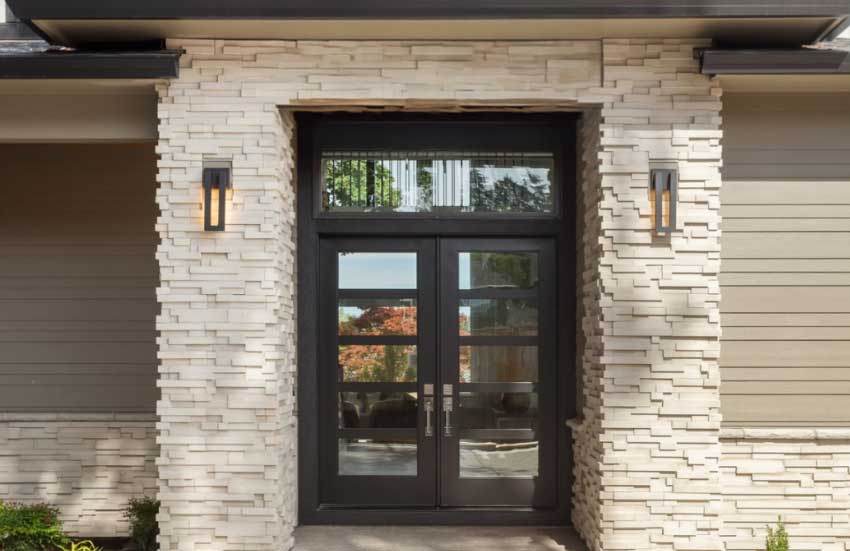
Upgrading your windows solves only one part of your home efficiency puzzle, as older residential doors often account for significant draft problems. High-quality exterior doors feature dense insulated cores and heavy-duty weatherstripping that seal off large entry areas. Combining a home window replacement with a new door installation ensures your entire home envelope remains secure.
- Advanced Cores: Modern entry doors use composite or steel skins filled with thick polyurethane foam insulation.
- Dimensional Stability: High-quality builds offer multiple times the insulation value of a traditional solid wood door, which can easily shrink or expand with changing humidity levels.
- Eliminating Gaps: When older wood doors shift, they leave visible gaps along the frame where conditioned air escapes freely.
- Perimeter Security: Our residential door installation services focus on using multi-finned weatherstripping and adjustable thresholds to block drafts.
- Visual Appeal: Modern doors combine structural energy performance with beautiful finishes that elevate your property’s curb appeal.
Choosing an efficient door with Energy Star-certified glass inserts ensures your front entryway remains warm, bright, and secure.
The Value of In-House Window Manufacturing
Working directly with a window manufacturer provides significant benefits that standard retail options cannot match. When a company controls the entire production process, every step is optimized for the local environment. This direct control eliminates middleman markups and ensures accountability for the product’s performance.
- Quality Oversight: Inspection occurs at every stage of assembly, from cutting the PVC profiles to sealing the insulated glass units.
- Custom Capabilities: Specialized shapes, unique configurations, and specific glass combinations are built to exact specifications.
- Rapid Component Matching: If a unique design requirement arises, manufacturing teams can adapt the build immediately.
- Direct Accountability: The team that builds your windows stands behind them, providing clear communication and reliable support.
This integrated approach means your home upgrade is built to last, utilizing materials and techniques proven to withstand extreme climate shifts.
Coordinating Interior Finishes with Exterior Upgrades
When upgrading your windows and doors, it is the perfect time to think about how your interior finishes interact with incoming light. Sunlight changes the look of indoor spaces throughout the day. Choosing the right window fashions and cabinetry styles helps you control this light while maintaining your privacy.
- Cabinet Protection: High-performance glass prevents UV rays from discoloring or altering the stain on custom kitchen cabinets.
- Balanced Lighting: Properly treated glass diffuses bright sunlight, creating a soft glow that beautifully highlights your interior woodwork.
- Complementary Styles: Matching your window frames with modern window fashions creates a cohesive look from the inside out.
- Thermal Consistency: Utilizing blinds and shades alongside efficient glass adds an extra layer of insulation to your rooms.
By planning your exterior openings and interior updates together, you build a home that functions efficiently and looks beautiful.
Frequently Asked Questions
What does the Energy Star label mean for windows? The Energy Star label certifies that a window model has undergone independent testing to meet strict energy efficiency guidelines. For a shifting climate, this ensures the unit prevents heat loss in extreme winter weather and resists solar heat gain during hot summer spells.
Should I choose double-pane or triple-pane glass for my home? Triple-pane glass offers an extra layer of protection, making it ideal for extreme cold variations. It adds a third sheet of glass and a second insulating gas space, which significantly cuts down on indoor condensation and external street noise compared to double-pane options.
Can custom windows prevent my indoor furniture and fabrics from fading? Yes, choosing custom windows with high-performance Low-E coatings filters out up to 95% of damaging ultraviolet (UV) rays. This protection stops the sun from bleaching or altering the colors of your carpets, furniture, window fashions, and nearby kitchen cabinets.
Investing in energy-efficient windows protects your home from unpredictable weather while reducing your monthly operational expenses. Understanding how Low-E glass coatings, tinted options, and durable PVC frames work together lets you make a smart choice for your property renovation. Silvester Glass & Aluminum Products Ltd manufactures custom PVC windows in-house and provides professional installation to ensure your home stays comfortable and protected all year long. Contact us today to organize an in-home consultation for your next home upgrade.
